Introduction to Aluminium CNC Machining
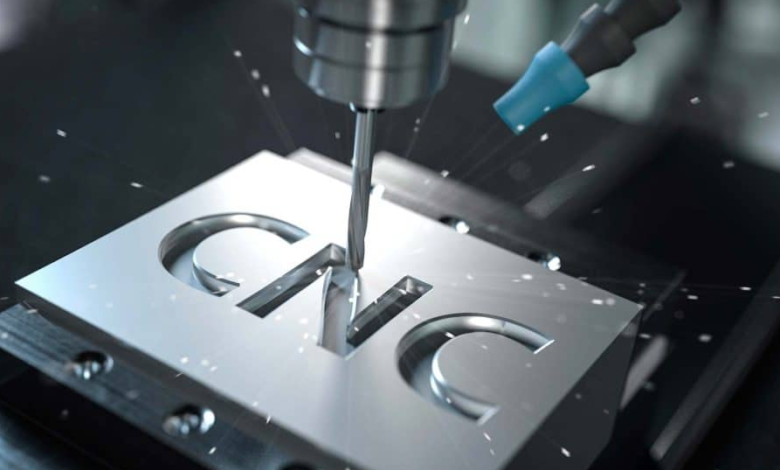
Aluminium cnc machining has become an essential process in modern manufacturing due to its ability to produce precise, lightweight, and durable components. Combining the flexibility of aluminium with the high accuracy of CNC (Computer Numerical Control) machines allows manufacturers to meet the growing demand for complex and reliable parts across multiple industries.
CNC machining provides automated, computer-controlled production, ensuring consistent quality and tight tolerances. Aluminium cnc machining has become a standard solution for sectors such as aerospace, automotive, electronics, medical devices, and industrial equipment where both performance and efficiency are critical.
Advantages of Aluminium CNC Machining
Lightweight Yet Strong
One of the most notable benefits of aluminium cnc machining is the lightweight nature of the material without compromising strength. Aluminium components reduce overall system weight, which is especially beneficial in aerospace and automotive applications, leading to increased fuel efficiency and performance improvements.
Precision and Consistency
CNC machining ensures that each aluminium part is produced to exact specifications. High precision and repeatability make it possible to manufacture complex components with minimal variation. This level of consistency is vital in industries where even slight deviations can impact functionality and safety.
Corrosion Resistance
Aluminium naturally resists corrosion, making it suitable for components exposed to moisture, chemicals, or harsh environmental conditions. aluminium cnc machining ensures that parts remain durable and maintain performance over time, reducing the need for frequent replacements or maintenance.
Thermal and Electrical Conductivity
Aluminium possesses excellent thermal and electrical conductivity, which is valuable in electronic housings, heat sinks, and thermal management components. CNC machining allows engineers to produce parts that maximize heat dissipation while maintaining tight tolerances.
See also: AI Story Writer: Creating Imaginative Stories with the Help of Technology
Applications in Industry
Aerospace Components
Aluminium cnc machining is widely used in aerospace for structural parts, brackets, housings, and engine components. Its lightweight properties reduce fuel consumption, while CNC precision ensures compliance with strict aerospace tolerances. Components produced via CNC machining also contribute to safer and more efficient aircraft designs.
Automotive Manufacturing
Automotive industries use aluminium cnc machining for engine components, chassis parts, transmission housings, and suspension elements. Reducing vehicle weight improves fuel economy and handling, while precision machining ensures reliable performance and proper fit of all components.
Medical Industry
The medical field demands components with extreme accuracy. Aluminium cnc machining is used to produce surgical instruments, medical device housings, and diagnostic equipment. CNC machining guarantees high precision, which is essential for ensuring safety and functionality in medical applications.
Electronics and Consumer Devices
Aluminium’s thermal and electrical properties make it ideal for housings, frames, and heat sinks in electronics and consumer devices. CNC machining enables the production of intricate designs that improve cooling, performance, and durability, all while maintaining tight dimensional tolerances.
Manufacturing Process
Alloy Selection
Selecting the appropriate aluminium alloy is essential for ensuring optimal performance. Common alloys used in cnc machining include 6061, 7075, and 2024, each offering distinct characteristics such as strength, corrosion resistance, and machinability. The right choice depends on the application and operating environment.
CNC Machining Techniques
Aluminium cnc machining employs several key techniques:
- Milling: Creates flat surfaces, slots, and complex geometries.
- Turning: Produces cylindrical components and rotational shapes.
- Drilling: Ensures accurate holes for assembly or functional purposes.
- Finishing: Processes like deburring, polishing, and grinding improve surface finish and dimensional accuracy.
Computer control ensures that all parts meet exact design specifications and maintain consistency across production runs.
Quality Control
Quality assurance is critical for aluminium cnc machining. Components are measured using tools such as coordinate measuring machines (CMMs), calipers, and micrometers to verify dimensions, tolerances, and surface finish. Rigorous inspection ensures reliable, high-performance components ready for industrial use.
Design Considerations
Wall Thickness and Structural Integrity
Proper wall thickness ensures the component is both strong and lightweight. Engineers must balance durability and weight to prevent deformation and ensure long-term performance.
Tolerance and Fit
Tight tolerances are crucial to ensure components fit accurately with other parts. CNC machining provides the precision necessary for seamless assembly and reliable operation.
Surface Finish
A smooth surface finish improves both functionality and aesthetics. It reduces friction in moving parts and enhances the visual quality of consumer-facing products.
Complexity Versus Cost
While CNC machining allows highly complex designs, intricate components may increase production time and cost. Balancing complexity and manufacturability ensures high-quality parts are produced efficiently and economically.
Advantages Over Other Materials
Aluminium cnc machining provides a unique combination of lightweight, corrosion resistance, and strength compared to alternatives like steel or plastic. Steel offers higher strength but is heavier and harder to machine, whereas plastic is lightweight but lacks durability and thermal resistance. Aluminium provides versatility, precision, and performance for a wide range of industrial applications.
Emerging Trends
Automation and Industry 4.0
The integration of automation, AI, and IoT in CNC machining enhances production efficiency, reduces errors, and ensures high-quality output. Smart manufacturing allows for faster production while maintaining consistent precision in aluminium components.
Advanced Aluminium Alloys
New aluminium alloys with improved strength, corrosion resistance, and thermal properties are expanding possibilities for CNC machining in demanding applications, particularly in aerospace, automotive, and electronics.
Sustainable Manufacturing
Sustainability is a growing priority. Recycling aluminium and optimizing machining processes reduce environmental impact while maintaining the high standards required for modern engineering components.
Conclusion
Aluminium cnc machining is essential in modern manufacturing due to its precision, durability, lightweight properties, and versatility. Industries such as aerospace, automotive, medical, and electronics rely on these components for reliable, high-performance solutions. With continued innovation in CNC technology, material development, and sustainable practices, aluminium cnc machining will remain a key factor in shaping the future of precision engineering.