Understanding Robot Mop Technology
Robot mops are automated cleaning devices designed to maintain the shine of floors consistently. They employ diverse technologies, including vibrating flat mops and dual rotating mop systems. Each technology offers unique advantages and disadvantages based on specific cleaning needs and home environments.
Vibrating Flat Mops
Vibrating flat mops feature a flat pad that vibrates against the floor. This type relies on moisture and light agitation to loosen and absorb dirt. As the robot moves, the vibrating pad wipes across the surface, aiming to lift stains and grime. However, these systems may struggle with stubborn or dried-on messes that require more aggressive scrubbing.
Dual Rotating Mop Systems
Dual rotating mop systems utilize two circular pads that spin rapidly. This rotation provides active scrubbing force, effectively lifting stains and debris from the floor. In addition, the mechanical pressure applied by the rotating pads helps to break down and remove dried or sticky residue, resulting in a more thorough clean.
Performance in Real-World Scenarios
To understand the effectiveness of each system, consider how they perform in various common household scenarios.
Cleaning Up Spills
Imagine spilling coffee on the kitchen floor while rushing to get ready in the morning. A vibrating flat mop might absorb some of the liquid but could leave visible dried edges. A dual rotating mop, on the other hand, would actively scrub the spill, using rotational force to lift the stain and leave the floor cleaner after a single pass.
Corner Cleaning
Crumbs and sticky messes often accumulate in corners. A vibrating flat mop may struggle to reach into corners effectively, leaving a small uncleaned area. A dual rotating mop, however, may feature a mechanical arm that extends the mop pads into corners, maintaining pressure and cleaning right up to the edge.
Pet Messes
Pet owners often deal with scattered food and dried liquid around feeding areas. While a flat mop can pick up loose pieces, it might struggle with ground-in residue. Dual rotating mops, with their consistent downward pressure and high-speed rotation, can lift even stubborn food particles, ensuring a properly cleaned area.
See also: Streamlining Checkout Processes with Modern Scanning Technology
Adapting to Different Floor Types
Homes typically feature a mix of hard floors, area rugs, and carpeted spaces. Robot mops must adapt to these different surfaces to provide effective cleaning.
Vibrating Flat Mop Adaptation
Vibrating flat mops often detect carpets and either avoid them or continue with the same vibration pattern, which can over-wet the carpet.
Dual Rotating Mop Adaptation
Advanced rotating systems may employ features that lift the mops for low-pile carpets, detach them completely for high-pile carpets, raise side brushes to avoid contamination, and adjust water flow based on the floor type.
Maintenance Considerations
Robot mops create their own maintenance requirements. These requirements can affect the overall cleaning experience.
Vibrating Flat Mop Maintenance
Vibrating flat mop systems typically require manual washing of mop pads after each use. The pads require regular replacement, and the smaller water tanks need frequent refilling. Manual cleaning of the dock area where dirty pads rest is also necessary.
Dual Rotating Mop Maintenance
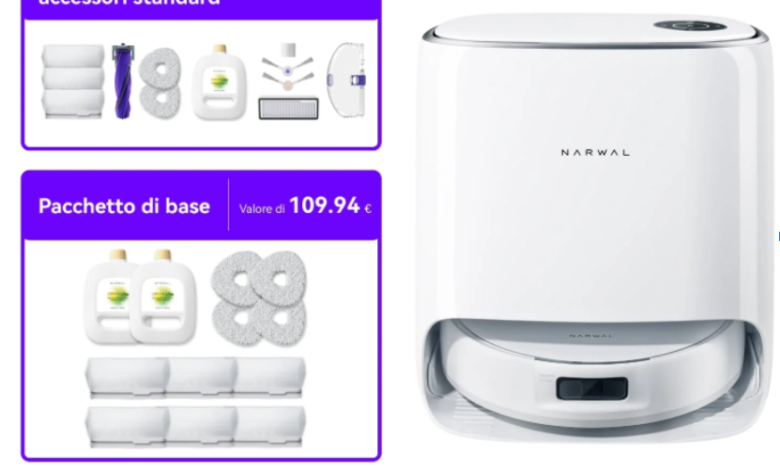
Premium dual rotating systems may offer self-cleaning features with hot water and automatic hot air drying to prevent mold and odors. Self-cleaning washboards eliminate manual scrubbing, and larger water tanks reduce the frequency of refills.
Choosing the Right System for Your Home
The choice between vibrating flat mops and dual rotating mop systems depends on your specific needs and cleaning challenges.
Ideal Scenarios for Vibrating Flat Mops
These systems function well in:
- Small apartments with minimal corners and obstacles.
- Homes with mostly open floor plans.
- Light daily maintenance between manual cleaning.
- Households without children or pets.
- Homes where shoes are removed at the door.
- Budget-conscious households.
Ideal Scenarios for Dual Rotating Mops
These systems excel in:
- Larger homes with numerous corners and edges.
- Households with pets, children, or high foot traffic.
- Kitchens that see frequent cooking and food spills.
- Homes with mixed flooring types.
- Situations where manual mopping is physically difficult.
- Busy households valuing true automation.
Other Factors to Consider
When evaluating robot mops, consider self-maintenance features, water tank capacity, battery life, navigation technology, and smart features such as dirt detection, custom cleaning zones, and voice control.
Multi-Surface Cleaning
Mixed flooring, including hardwood, carpet, and tiles, necessitates different cleaning approaches. Robot vacuums designed for mixed flooring are equipped with adaptive suction power, multi-surface brushes, and advanced navigation systems.
Adaptive Suction Power
Adaptive suction power allows robot vacuums to adjust their suction strength based on the floor type. Sensors detect changes in flooring and increase suction on carpets.
Multi-Surface Brushes and Rollers
Multi-surface brushes and rollers efficiently handle various flooring types. Rubber brushes are perfect for hard floors, while bristle brushes work effectively on carpets.
Advanced Navigation Systems
Advanced navigation systems employ sensors and cameras to map out the home and navigate between floor types seamlessly. Floor-type detection enables the vacuum to adjust its settings automatically.
Robot mops that provide consistent floor shine are an example of home automation at its finest. These smart cleaning devices deliver an automated cleaning solution, maintaining optimal moisture levels while scrubbing the floor actively to achieve the best results. As we continue to embrace technology and simplify how we maintain our homes, we are sure to see continued innovations in the realm of robot mops.
Tips for Optimizing Robot Vacuum Performance on Mixed Flooring
Maintain your robotic vacuum and mop to optimize its performance. Clean the brushes, rollers, and filters regularly. Set virtual boundaries or no-go zones to prevent the vacuum from entering specific areas. Select a robot vacuum with adjustable suction power and navigation capable of adapting to different floor surfaces.