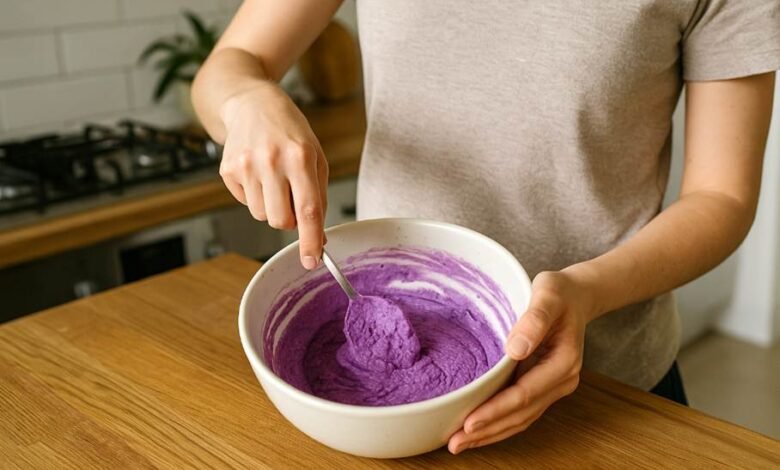
From the moment you open a packet of ube powder, a world of colour and flavour awaits. Like opening a door to the vibrant streets of Manila, that deep violet hue hints at rich, sweet, and earthy delights just waiting to be made. But what exactly can you do with ube powder? Is it just for desserts? Can it be used raw? What if it clumps or loses its taste? If you’ve ever asked yourself these questions, you’re not alone. Whether you’re discovering ube for the first time or you’re ready to take your ube game to the next level, this guide will show you exactly how to make the most of it with precision, simplicity, and joy.
What is ube powder and how does it differ from other purple ingredients?
Ube powder is made from dehydrated and finely ground purple yam, a tuber native to the Philippines, known locally as ube. Despite its vibrant colour, it’s not to be confused with taro or purple sweet potato, both of which also share similar hues but have different textures, moisture levels, and flavours. Ube has a uniquely sweet, nutty, and vanilla-like taste that has made it a staple in traditional Filipino desserts like ube halaya, ube cake, and puto.
The powdered form offers a convenient way to enjoy ube all year round. It rehydrates easily and retains its flavour when prepared correctly. Unlike artificial flavourings or extracts, ube powder gives an authentic, rich taste and a vibrant purple colour naturally making it a favourite among bakers, chefs, and home cooks alike. When comparing ube vs taro, for instance, the flavour is key: taro is more neutral and often used in savoury dishes, while ube is sweeter and more aromatic, perfect for cakes, lattes, ice creams, and more. This distinction is crucial when selecting the right ingredient for a recipe that highlights ube’s full character. If you’re sourcing your ingredients in the UK, a reliable supplier like organic ube offers quality powder that’s ethically sourced and flavourful a great start for any culinary exploration.
See also: The Ultimate Guide to Selecting IPTV Plans That Fit Your Lifestyle
How to rehydrate ube powder the right way
Before jumping into recipes, it’s essential to understand how to properly rehydrate ube powder. Think of the process as waking a sleeping dragon the powder holds all the richness of fresh ube, but needs a gentle touch to awaken. Here’s how:
- Use warm water or milk (preferably whole milk or plant-based alternatives like coconut milk) in a 1:1 ratio with the powder.
- Stir slowly to avoid clumps let it sit for 5–10 minutes.
- Once rehydrated, the paste should be thick, smooth, and vibrant purple.
Avoid using boiling water, as this can alter the taste and dull the colour. You can also flavour the rehydration liquid with a bit of vanilla extract or sugar if the recipe calls for it. Once hydrated, the ube paste can be added directly to batters, doughs, or used as a filling or topping. Many home cooks wonder: can you use ube powder directly without soaking? Technically yes, but it’s not recommended unless the powder is blended into a high-moisture batter, like pancake mix or muffin dough. Otherwise, you risk ending up with dry, uneven results.
Best recipes to showcase ube powder at home
Once rehydrated, ube powder becomes extremely versatile. Whether you want to go traditional or modern, here are some standout ways to incorporate it into your cooking:
Classic Filipino desserts
The most iconic use is ube halaya, a sweet, sticky jam made from ube, condensed milk, butter, and sugar. It can be enjoyed on its own, spread over bread, or layered into cakes. Another staple is the ube leche flan cake, where the purple yam layer contrasts beautifully with silky custard.
Modern baking ideas
Ube has taken the baking world by storm its colour alone is enough to wow guests. You can use rehydrated ube in:
- cake batters
- brownie mixes
- doughnuts
- swiss rolls
- cookies
Just fold the paste into your wet ingredients, making sure it’s well distributed. Don’t forget to adjust sugar levels, as ube adds natural sweetness. For even more inspiration, try blending it into your pancake or waffle mix kids love the colour, and it pairs beautifully with coconut syrup or fruit toppings.
Health benefits and nutritional value of ube powder
Beyond aesthetics and flavour, ube powder brings impressive nutritional benefits. Rich in antioxidants (especially anthocyanins responsible for the purple colour), it’s known to support cellular health and reduce inflammation. It also contains:
- Vitamin C
- Vitamin A
- Potassium
- Fibre
- Complex carbohydrates
Because it’s a whole food product with minimal processing, ube powder retains many of its original nutrients, especially when sourced organically. Compared to other dessert ingredients, ube stands out as a more natural option. For those interested in healthy eating without compromising on indulgence, it’s a perfect balance especially when used in moderation.
Tips for storing and preserving the freshness of ube powder
Like any natural powdered product, ube powder requires proper storage to maintain its taste, colour, and effectiveness. Here’s how to keep it fresh for months:
Keep it airtight
Moisture is the enemy. Use a sealed glass jar or resealable bag with a moisture absorber inside. Avoid storing in humid environments like near the stove or dishwasher.
Store in a cool, dark place
Exposure to light or heat can degrade the powder and cause the colour to fade. A pantry or cupboard is ideal refrigeration isn’t necessary unless it’s rehydrated. Once opened, most high-quality powders last around 6 to 12 months. Always check for any signs of moisture, mould, or off smells before use. If you’ve already mixed the powder into a paste, store it in the fridge in an airtight container and consume it within 5 days.
What to avoid when cooking with ube powder
Despite its versatility, there are some common mistakes people make when trying ube for the first time. Avoid these to ensure every dish comes out vibrant and flavourful:
- Using too much powder, which can make recipes dense and overpowering
- Skipping the rehydration step in low-moisture recipes
- Adding artificial colouring to “boost” purple tone not needed with quality powder
- Not balancing sweetness in baked goods ube is sweet on its own
Remember, less is often more. Let the natural flavour of ube shine, and always adjust other ingredients accordingly.
Time to experiment with ube
Now that you know exactly how to use ube powder, it’s time to bring this bold, brilliant ingredient into your kitchen. Whether you’re baking for friends or cooking for family, ube is more than just a trend it’s a cultural gem with deep roots and endless potential. Why not start today? Try a small batch of pancakes, a creamy latte, or a traditional Filipino dessert and watch as the rich purple hue brings colour and joy to your plate. Which recipe will you try first?