Maintaining clean carpets in areas with heavy foot traffic presents a unique challenge for homeowners and businesses alike. High-traffic zones, such as hallways, entryways, and living rooms, are prone to accumulating dirt, stains, and wear. Implementing effective cleaning and maintenance strategies can significantly extend the lifespan and improve the appearance of carpets in these demanding areas.
Understanding the Challenge of High-Traffic Areas
High-traffic areas experience more frequent and intense wear and tear than other parts of a building. This increased use leads to several issues:
- Fiber Compression: Constant foot traffic compresses carpet fibers, reducing their resilience and causing them to flatten over time.
- Visible Wear Patterns: High-traffic lanes often display noticeable wear patterns, appearing discolored and worn compared to less-used carpet sections.
- Increased Soiling and Staining: These areas collect dirt, debris, and spills more rapidly, increasing the likelihood of stains and overall soiling.
- Accelerated Aging: Carpets in high-traffic zones tend to degrade faster, affecting the overall aesthetics of the space.
Tips for Maintaining Clean Carpets in High-Traffic Zones
Several strategies can help to mitigate the impact of high traffic on carpets and maintain their cleanliness:
1. Vacuum Slowly and Thoroughly
Regular vacuuming is essential. It removes dirt and debris that can damage carpet fibers over time. Take your time when vacuuming, especially in high-traffic areas. Allow the vacuum brush to agitate the carpet and effectively lift dirt. Slow, thorough vacuuming helps to keep the carpet clean and prevents the fibers from becoming excessively flattened.
Giving extra attention to high-traffic areas during vacuuming is crucial. Removing dirt from these spots prevents long-term damage. Although it requires more time, vacuuming thoroughly is an easy way to keep your carpet in good condition.
2. Sweep Entryways and Keep Entry Rugs Clean
Regularly sweeping entry rugs and outdoor areas near entrances minimizes the amount of dirt brought inside. This simple practice reduces wear and tear on your carpet. Keep a broom near entrances as a reminder to sweep regularly. This will help leave more dirt outside, reducing how much ends up on your carpets.
Dealing with stains immediately prevents them from becoming permanent fixtures. For tough stains that won’t come out, consider seeking assistance from professional carpet cleaning services.
3. Address Stains Immediately
Stain removal is crucial, especially since high-traffic areas are prone to spills. Keep a carpet cleaning solution readily available. When a stain occurs, blot it immediately with a clean cloth. If necessary, use a spot remover. The sooner you address the stain, the better the chance of preventing it from becoming permanent.
4. Implement a “No Shoes” Policy
A basic yet effective way to care for carpets is to request that visitors remove their shoes upon entering your home. By preventing dirt from being tracked inside, you maintain the carpet’s freshness and extend its lifespan.
A “no shoes” policy, combined with regular cleaning of outdoor spaces, is a beneficial approach to preventing dirty carpets.
5. Rearrange Furniture to Alter Traffic Patterns
Rearranging furniture can change foot traffic patterns in your home. It helps prevent dirt from being ground deeper into the carpet. Moving furniture also provides easier access to areas that were previously difficult to reach for cleaning.
6. Utilize Area Rugs for Added Protection
Consider using area rugs or hallway runners in high-traffic areas. These rugs provide an extra layer of protection and can be more cost-effective than replacing wall-to-wall carpeting. Area rugs are also easier to clean, wash, or replace.
7. Incorporate Door Mats
Placing mats both inside and outside doorways can act as a buffer, trapping dirt and debris before they are tracked onto the carpet. By reducing the amount of dirt that reaches the carpet, mats help to prolong its life and maintain its appearance.
See also: Streamlining Checkout Processes with Modern Scanning Technology
Routine vs. Intensive Cleaning
Balancing routine and intensive cleaning strategies is key for well-used carpets. Routine cleaning after everyday use is critical for their structure, hygiene, and comfort. However, to maintain the longevity of the carpets, the need for intensive cleaning must be acknowledged.
Regularly vacuuming helps remove dirt and debris, as well as allergens that can become embedded deep in carpet fibers. Dirt tends to accumulate in the deep layers however, and routine cleaning alone is not enough to remove this. Intensive cleaning should be undertaken once or twice a year to remove such deep-set dirt. Detergents and hot water are sprayed onto the carpet from a machine, providing a more thorough clean than standard vacuuming.
Professional Carpet Cleaning
Investing in regular professional carpet cleaning is highly beneficial. Professionals use high-quality hot water extraction methods to deep clean carpets, removing trapped dust, pollen, grime, and microbes. Professional cleaning helps extend the life of your carpets. It is often a requirement for maintaining carpet warranties.
Product Selection and Safe Usage
Selecting appropriate cleaning solutions and tools is essential for effective carpet care. Choose cleaning products that are designed for your specific carpet type and always follow the manufacturer’s instructions. Consider utilizing green cleaning products, which typically use plant-based ingredients and are free of harsh chemicals.
Ensure that anyone using cleaning products is trained in safety protocols. This includes wearing gloves, avoiding mixing chemicals, and following proper dilution procedures.
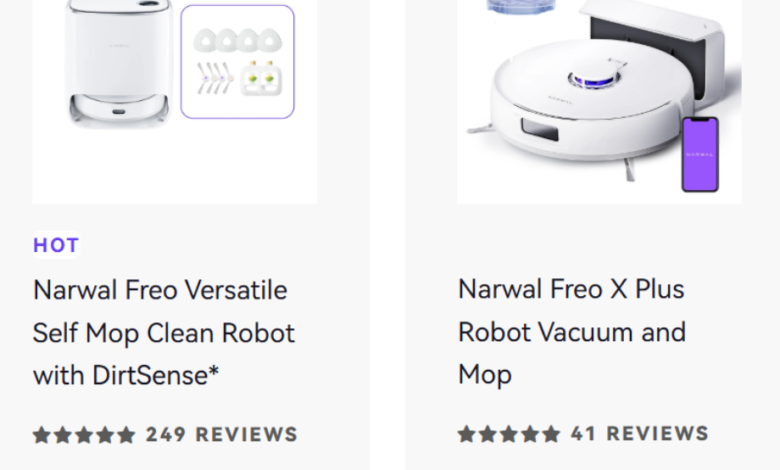
Robot Vacuum and Mop
For maintaining carpet cleanliness in high-traffic areas with ease, a vacuum robot can be an efficient solution. These devices offer regular, automated cleaning, helping to manage dirt and debris before they become deeply embedded in carpet fibers.
Evaluating Cleaning Effectiveness
To ensure that your cleaning strategies are effective, regularly evaluate the results by:
- Performing Spot Inspections: Check high-traffic areas for cleanliness and organization.
- Seeking Customer Feedback: Gather feedback through surveys and reviews to assess satisfaction.
- Consulting with Internal Staff: Ask staff for their input on cleanliness concerns and suggestions for improvement.
By implementing these strategies and regularly evaluating their effectiveness, you can maintain clean and inviting carpets, even in the most heavily used areas.