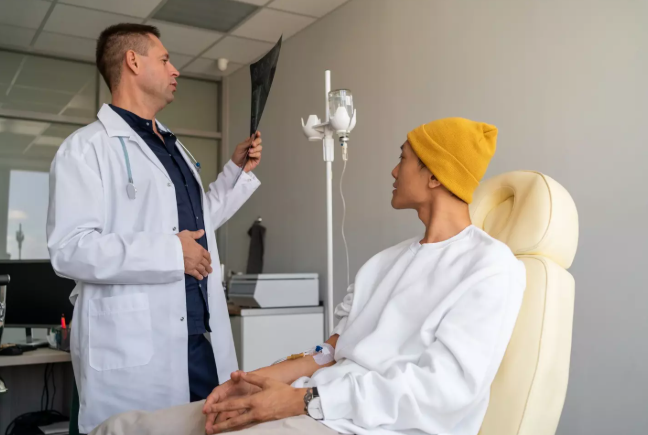
The Evolution of Oncology
Cancer treatment has evolved remarkably over the past few decades. From traditional approaches focused solely on surgery and chemotherapy, the field of oncology now encompasses personalized medicine, targeted therapies, and innovative diagnostic tools. Patients today have access to a wide range of options, all designed to improve outcomes, reduce side effects, and enhance quality of life.
At the core of this evolution is the oncologist, a medical professional specializing in diagnosing, treating, and managing cancer. Oncologists play a critical role in guiding patients through complex treatment plans, providing both medical expertise and emotional support during a challenging time.
Understanding the Role of an Oncologist
An oncologist is responsible for coordinating the overall care of a cancer patient. Their duties extend beyond administering treatments; they include interpreting diagnostic tests, recommending therapy options, managing side effects, and monitoring patient progress over time.
For example, in a patient diagnosed with breast cancer, the oncologist evaluates tumor type, stage, and genetic markers to determine the most effective treatment. This may involve surgery, chemotherapy, radiation, or a combination of therapies tailored to the individual’s needs. Oncologists also provide guidance on preventive strategies for high-risk patients and long-term monitoring to detect potential recurrence.
Types of Oncologists
Medical Oncologists
Medical oncologist specialize in systemic treatments such as chemotherapy, immunotherapy, and targeted therapy. They are responsible for selecting appropriate drug regimens and monitoring the patient’s response to treatment. Medical oncologists often collaborate with other specialists to ensure a comprehensive approach to care.
Surgical Oncologists
Surgical oncologists focus on the removal of tumors and affected tissues. Surgery is often the first line of treatment for many types of cancer and may be combined with other therapies. Surgical oncologists work closely with medical and radiation oncologists to determine the optimal treatment sequence and approach.
Radiation Oncologists
Radiation oncologists use high-energy radiation to target and destroy cancer cells. They design treatment plans that maximize tumor control while minimizing damage to surrounding healthy tissue. Advanced technologies, such as intensity-modulated radiation therapy (IMRT) and stereotactic radiosurgery, have enhanced the precision and effectiveness of these treatments.
Advances in Cancer Diagnosis and Treatment
Precision Medicine
Precision medicine has transformed oncology by tailoring treatment based on a patient’s genetic profile and the specific characteristics of their tumor. Oncologists now use molecular testing to identify mutations that may respond to targeted therapies, resulting in more effective and less toxic treatments.
Immunotherapy
Immunotherapy leverages the body’s immune system to fight cancer. This approach has shown remarkable results in certain types of cancers, such as melanoma and lung cancer. Oncologists determine eligibility and monitor patients for potential side effects, offering a treatment option that can complement traditional therapies.
Minimally Invasive Surgical Techniques
Advancements in surgical technology, including laparoscopic and robotic-assisted procedures, have improved patient outcomes. These techniques allow oncologists to perform complex surgeries with smaller incisions, reduced recovery time, and lower complication rates.
Early Detection and Screening
Early diagnosis is critical in improving cancer survival rates. Oncologists advocate for regular screenings, including mammograms, colonoscopies, and blood tests, to detect cancer at an early stage. Early detection enables timely intervention and increases the likelihood of successful treatment.
See also: How Climate Change Is Impacting Public Health Worldwide
The Patient-Oncologist Relationship
The relationship between patients and their oncologists is built on trust, communication, and empathy. Cancer treatment often involves long-term care, and oncologists serve as both medical experts and emotional support systems.
For instance, patients undergoing chemotherapy may experience physical discomfort, fatigue, and emotional stress. Oncologists provide guidance on managing side effects, adjusting treatment plans, and addressing concerns about prognosis. This comprehensive support is crucial for improving patient adherence to treatment and overall quality of life.
Challenges in Oncology
Complex Treatment Decisions
Cancer treatment decisions are often complex, requiring oncologists to weigh multiple factors, including tumor type, stage, patient health, and personal preferences. The abundance of available therapies, while beneficial, can also be overwhelming for patients, making clear guidance from an oncologist essential.
Emotional and Psychological Support
Cancer diagnosis and treatment can take a significant emotional toll. Oncologists often work alongside counselors, psychologists, and social workers to provide holistic care. Addressing mental health is an integral part of treatment, helping patients cope with anxiety, depression, and uncertainty.
Access to Advanced Care
Not all patients have access to specialized oncology care or cutting-edge treatments. Geographic location, socioeconomic factors, and healthcare infrastructure can affect access. Oncologists advocate for equitable care and work to ensure that patients receive the best possible treatment options.
The Future of Oncology
Integration of Artificial Intelligence
Artificial intelligence (AI) is increasingly being used in oncology for diagnostic support, treatment planning, and predicting patient outcomes. AI tools assist oncologists in interpreting imaging studies, analyzing genetic data, and identifying patterns that may influence treatment decisions.
Personalized Combination Therapies
Future cancer treatments are likely to involve highly personalized combination therapies, integrating chemotherapy, immunotherapy, targeted drugs, and lifestyle interventions. Oncologists will play a central role in orchestrating these complex plans to achieve optimal patient outcomes.
Telemedicine and Remote Care
Telemedicine has become an important tool in oncology, allowing patients to consult with oncologists remotely. Virtual consultations improve access, reduce travel burdens, and allow oncologists to monitor patients more closely between visits.
Preventive Oncology
Preventive strategies, including lifestyle modifications, vaccination, and genetic counseling, are becoming increasingly important. Oncologists are actively involved in educating patients on reducing cancer risk and implementing preventive measures tailored to individual risk profiles.
Conclusion
Oncology has advanced significantly, offering patients more precise, effective, and compassionate care than ever before. The oncologist serves as a central figure in this complex landscape, guiding patients through diagnosis, treatment, and recovery while addressing both physical and emotional needs.
From precision medicine and immunotherapy to minimally invasive surgeries and early detection strategies, modern oncology emphasizes individualized treatment plans that maximize outcomes and minimize side effects. As technology, research, and patient-centered care continue to evolve, the role of the oncologist will remain pivotal in transforming cancer care, offering hope and improved quality of life to countless patients around the world.